A private video linked of Naija University Homade Sextape can spread across WhatsApp, Telegram, TikTok, X, blogs, and group chats within minutes. Search terms such as “naija university homade sextape” can increase attention, even when the video is fake, misidentified, or shared without permission. The key issue is consent: did the people shown agree to recording, sharing, publication, or sale? This guide covers privacy, emotional harm, digital safety, reporting options, and Nigerian legal concerns without naming victims or linking to explicit material.
Why a Naija University Homade Sextape Can Become a Public Crisis
How messaging apps and social platforms amplify intimate content

One person can forward a video to several groups, where others download and repost it under new names. Anonymous accounts, screenshots, search results, and blogs can keep copies online after the first post disappears. Curiosity-driven views may push the content to more users, but high engagement does not prove that the video is real or authentic.
University communities can speed up the spread because students share classes, hostels, campuses, and social groups. Rumours may attach a person’s name, course, or school to a clip without reliable proof. Each repost increases the risk of harassment, blackmail, academic disruption, and family pressure.
Why authenticity should never be assumed
Edited clips, deepfakes, impersonation, old footage, and false captions can create serious accusations. A person’s face, voice, clothing, or location may be altered or wrongly linked to a Nigerian university. Do not claim that someone appears in a video unless credible sources confirm the facts.
The human cost can include anxiety, shame, stalking, loss of sleep, and fear of returning to class. Some affected people may face threats of self-harm or feel trapped by public attention. Sexual history, private conduct, or an intimate recording never gives others a right to humiliate someone.
Consent and the Naija University Homade Sextape Search
Recording consent is not distribution consent

Agreeing to make a private video does not mean agreeing to send it to friends, upload it, publish it, or sell it. Consent must be voluntary, informed, specific, and given without threats, pressure, or deception. A person can withdraw consent later, and silence does not equal permission.
Consent also depends on age and capacity. If anyone shown may be under 18, do not download, view, save, or share the material. Report the concern through a platform’s child-safety channel or an appropriate authority.
Why forwarding “just to friends” still causes harm
Every forward creates another copy and expands the audience beyond the original agreement. Even a private group can include dozens of people, and one member may repost the file publicly. Do not request, download, save, forward, quote-post, embed, or promote alleged intimate content.
If someone sends the file, tell them to stop sharing it and report the post or account. Avoid replying with the video, screenshots of intimate scenes, or comments that identify the people involved. A short warning can prevent further harm without spreading the material.
When threats, pressure, or blackmail are involved
Blackmail may include demands for money, more images, sexual acts, or silence. Save non-explicit evidence such as usernames, profile links, dates, messages, payment requests, and threats. Store these records securely and do not redistribute the intimate file.
The affected person should contact a trusted person, the platform, a qualified lawyer, and a trained counsellor. Avoid confronting a suspected distributor alone when stalking, violence, or retaliation may occur. If there is an immediate danger, seek urgent help from local emergency services or the nearest police station.
Nigerian Laws and University Rules May Apply
Privacy and personal-data protections
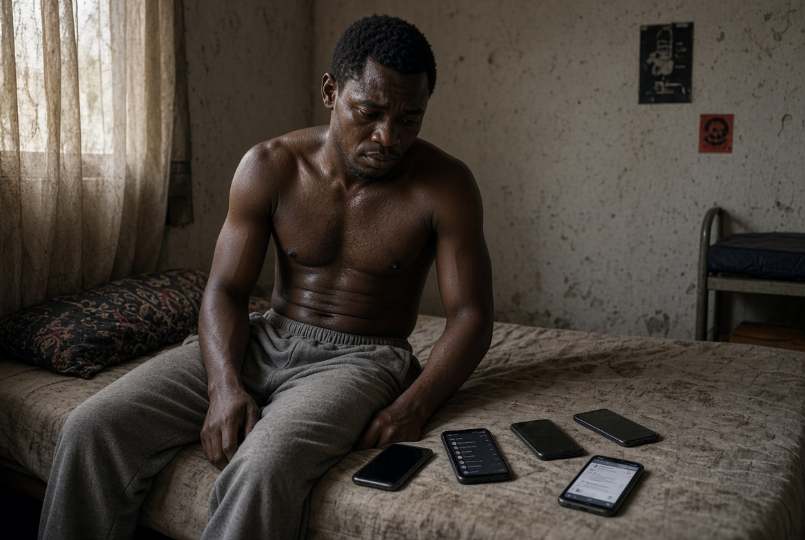
The Nigeria Data Protection Act 2023 may matter when identifiable personal information is collected, used, stored, or disclosed unlawfully. An intimate video linked to a named or recognisable person can raise personal-data concerns. Responsibility may depend on who recorded, obtained, stored, threatened, published, or profited from the material.
The Act does not create an automatic legal verdict for every online post. The facts, purpose, consent, relationship between the parties, and manner of handling all matter. A Nigerian-qualified lawyer can explain whether the Act or another privacy rule applies.
Cybercrime and non-consensual sexual-image distribution
Nigeria’s Cybercrimes (Prohibition, Prevention, etc.) Act 2015, as amended in 2024, contains provisions on cyberstalking and harmful or obscene online communications that may become relevant. Laws on threats, extortion, hacking, fraud, or sexual exploitation may also apply. The Violence Against Persons (Prohibition) Act and state laws could matter, depending on the location and conduct.
A viral post alone does not prove that a named person committed an offence. Investigators and courts need reliable facts, context, and evidence. Check the current statutory wording through official government sources and seek advice from a Nigerian lawyer before making legal claims.
University disciplinary procedures and safeguarding duties
Universities may have student codes, anti-harassment rules, ICT policies, and sexual-harassment procedures. A student can contact the dean of students, student affairs office, counselling unit, sexual-harassment committee, ombuds office, or safeguarding staff. Reporting routes differ between institutions.
Internal discipline does not replace legal action where blackmail, threats, hacking, or exploitation is alleged. Staff should protect evidence, avoid victim-blaming, and limit access to sensitive information. Cases involving anyone under 18 require extra care and prompt safeguarding action.
What Victims and Witnesses Should Do Immediately
Protect accounts and devices
Change passwords for email, social media, cloud storage, and messaging accounts. Turn on two-factor authentication, review active sessions, remove unknown devices, and check cloud backups for unwanted access. If a former partner knows the password or recovery details, update those settings as well.
Avoid meeting or confronting suspected distributors alone. Tell a trusted friend, relative, counsellor, or campus staff member what is happening. Keep location settings private when stalking or threats are present.
Preserve evidence without spreading the material
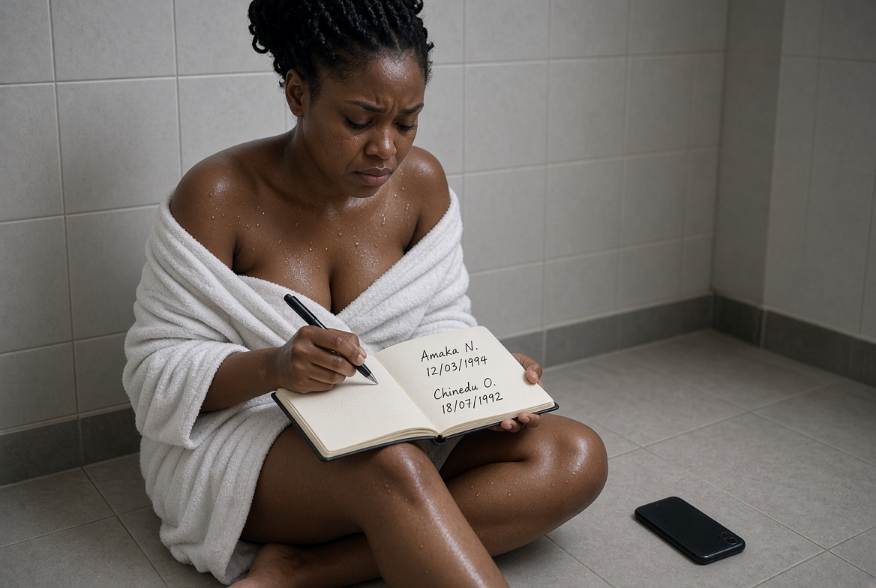
Record usernames, URLs, timestamps, threats, payment details, and account names in writing or through safe screenshots. Keep the records in a protected folder and share them only with people who need them. Do not send intimate files to friends, blogs, or investigators unless an official channel explains how to submit them safely.
Platforms may request specific evidence for a non-consensual intimate-image report. Follow the platform’s instructions and keep confirmation numbers or emails. This creates a record of the complaint without increasing circulation.
Report through appropriate channels
Use platform tools for non-consensual intimate imagery, impersonation, harassment, threats, and child-safety concerns. Contact the Nigeria Police Force or its cybercrime reporting channel when blackmail, extortion, hacking, stalking, or threats are involved. A lawyer can help preserve evidence and request takedown steps where needed.
Victims should also seek emotional support, especially when fear, panic, isolation, or thoughts of self-harm arise. A trusted person can help manage reports and reduce the burden of responding alone. Counsellors should offer support without demanding unnecessary details or blaming the affected person.
How Students, Bloggers, and Platforms Can Stop Further Harm
Responsible reporting for Nigerian media and blogs
A blog should publish only when there is a clear public-interest reason and verified facts. If mention is necessary, use neutral wording such as “an alleged intimate video” and avoid treating rumours as proof. Do not publish names, faces, school details, phone numbers, screenshots, download links, or clues that identify private individuals.
Editors should remove harmful posts when facts are wrong or consent is absent. Corrections should be clear and easy to find, while takedown requests should receive a prompt response. Traffic and advertising revenue do not justify exposing someone’s private life.
What bystanders should and should not do

Bystanders can refuse requests for the video, report posts, warn affected people privately, and challenge victim-blaming. They should not crowdsource identities, contact alleged victims for gossip, or share “proof” in group chats. Reposting a warning with the file attached still spreads the abuse.
Students can also report accounts that threaten or extort others. A calm message such as “Do not share this; it may be non-consensual” can stop a forwarding chain. Protect the person’s privacy while directing them toward proper support.
Building safer digital habits on campus
Students should discuss consent before recording, use strong device locks, review privacy settings, and avoid storing sensitive files in shared folders. Secure deletion, updated software, and careful control of backups can reduce unwanted access. Respectful relationships also require clear boundaries after a breakup or disagreement.
Universities can publish simple reporting routes and train staff to respond without shame. Campus education should cover consent, online abuse, evidence preservation, and support for affected students. Clear rules help students act early instead of relying on rumours.
Conclusion
An intimate video does not become public property because someone uploads it. The phrase “naija university homade sextape” may attract searches, but attention should never come before consent, safety, and dignity.
Verify before sharing. Never distribute non-consensual intimate content. Preserve evidence without copying the file, report threats and blackmail, and seek qualified legal or emotional support. Do not search for, link to, or promote alleged material connected to any Nigerian university. Responsible digital conduct protects people and helps hold abusers accountable.